

What Are Skilled Technical Jobs and How Can I Land One?
Skilled technical jobs combine hands-on manufacturing work with expertise in areas such as automation, robotics and advanced equipment. You can land one through training, certifications, apprenticeships or hands-on experience, often without a four-year degree.
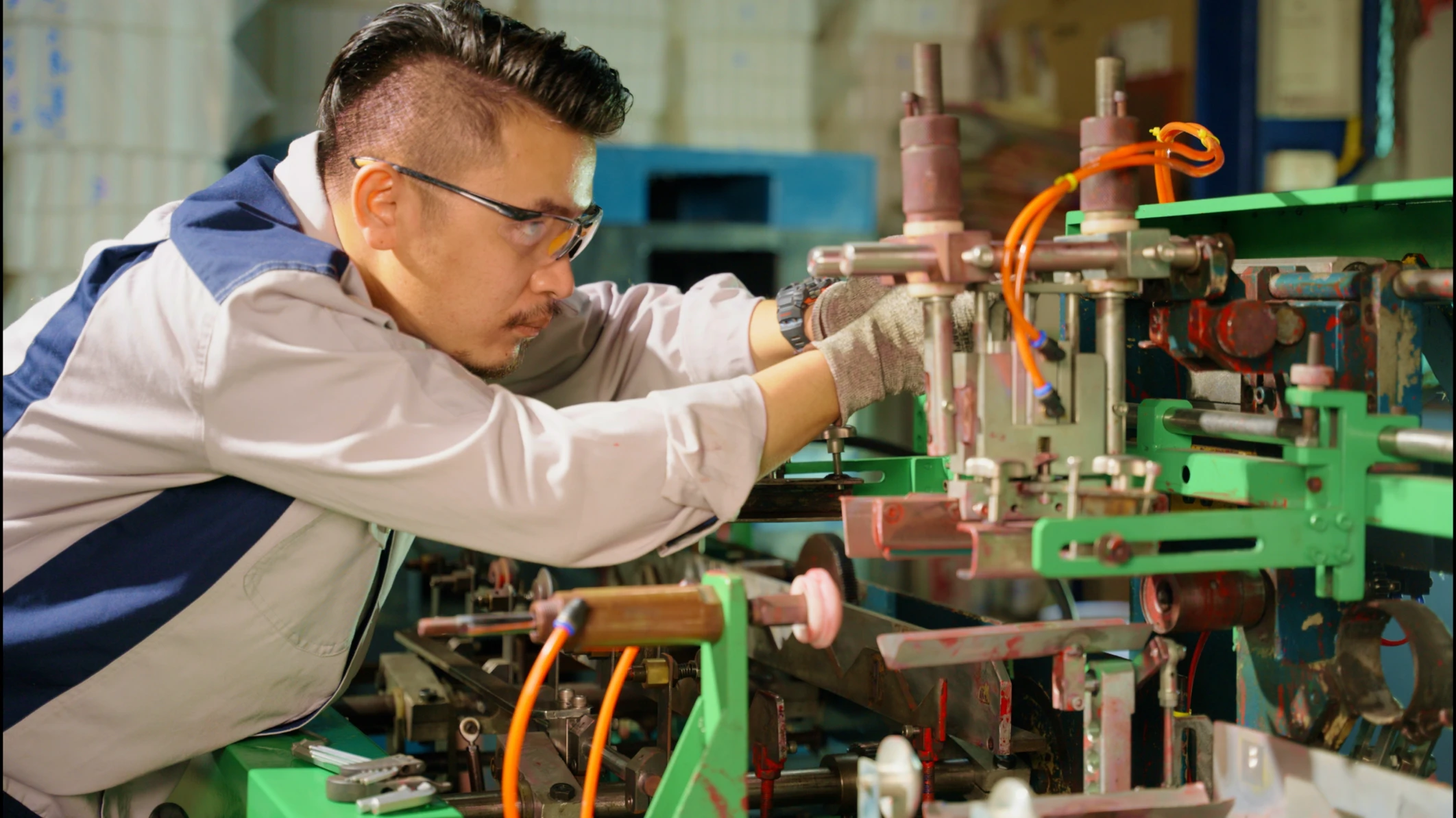
Manufacturing is becoming more automated, connected and technology-driven. As a result, employers need a new kind of worker — one who combines hands-on work with technical expertise and often offer competitive pay, career stability and advancement opportunities. Many can be entered without a traditional four-year degree.
In this guide, we'll explain what skilled technical jobs are, why demand is growing and how to get started.
What Are Skilled Technical Jobs?
Skilled technical jobs bridge the gap between traditional manufacturing and advanced technology. Workers in these roles operate, maintain and improve increasingly sophisticated equipment and production systems.
Unlike many office-based technology careers, skilled technical roles involve hands-on work with automation, robotics, industrial equipment and digital systems.
Why Are Skilled Technical Jobs Growing So Quickly?
There are several reasons demand is growing for skilled technical jobs.
- Automation and robotics: New technology requires technicians to install, maintain and improve equipment.
- Digital manufacturing: Modern production environments rely on workers who understand both equipment and data.
- Demographic changes: A record number of workers are retiring and there aren’t enough young people entering manufacturing to replace them.
- Reshoring: As a result of supply chain and tariff uncertainties, many companies are building new facilities in the U.S. This increases the demand for technical talent.
Why Consider a Skilled Technical Career?
There are several strong reasons that you might want to consider a skilled technical career.
High Demand and Job Security
Skilled technicians such as maintenance technician, manufacturing technician, automation technician and quality technician are in high demand across a wide range of industries. And because there is such a shortage, employers are motivated to keep workers with the right skills.
Multiple Paths to Entry
Unlike many careers that require a bachelor's degree, skilled technical roles can often be accessed through trade schools or other options. And if you’ve worked in manufacturing before, your practical skills and hands-on experience count.
Competitive Pay
Many skilled technical careers offer competitive wages without requiring a four-year degree. Pay varies based on your experience, location and other variables, but according to the Bureau of Labor Statistics, installation, maintenance and repair occupations had a median annual wage of nearly $60,000 in 2025, compared with about $51,000 across all occupations.
Opportunities for Advancement
Many skilled technical professionals continue advancing throughout their careers. Depending on their interests, they may move into senior technician, reliability, automation, quality or supervisory roles as they build experience and expertise. (For a look into career paths available to senior technicians, check out this blog.)
Strong Long-Term Outlook
Automation is changing manufacturing, but it is also creating demand for workers who can support, maintain and improve new technologies. For people who enjoy problem-solving, working with technology and learning new skills, skilled technical careers can offer a rewarding and future-focused career path.
High-Demand Skilled Technical Careers to Consider
Several skilled technical jobs are benefiting from automation, advanced manufacturing and workforce shortages.
Maintenance Technician
One of the easier skilled technical vocations to enter, maintenance technicians maintain, repair and troubleshoot manufacturing equipment to minimize downtime.
Automation Technician
An automation technician installs, monitors and troubleshoots automated production systems, sensors and controls.
Robotics Technician
These technicians support robotic equipment through maintenance, programming support and troubleshooting.
Quality Technician
Quality technicians are responsible for ensuring that products meet quality standards through testing, inspection and analysis.
Manufacturing Technician
A manufacturing technician operates and supports advanced production systems and automated equipment.
Mechatronics Technician
These professionals combine mechanical, electrical and computer skills to support smart manufacturing environments.
Do You Need a College Degree to Work in a Skilled Technical Job?
Not necessarily. Many skilled technical careers can be entered through technical training programs, certifications, apprenticeships or associate degree programs rather than a traditional four-year degree.
While educational requirements vary by employer and role, companies often prioritize job-ready skills, hands-on experience and demonstrated technical knowledge.
Common pathways into a skilled technical career include:
- Trade school programs
- Community college technical programs
- Registered apprenticeships
- Employer-sponsored training
- Military experience
- Industry certifications
What Skills Will Help You Succeed?
Technical Skills
Depending on the role, employers may look for experience with:
- Electrical systems
- Mechanical systems
- PLCs and industrial controls
- Robotics
- Automation technology
- Preventive maintenance
- Quality processes and inspection techniques
Human Skills
Technical knowledge is important, but employers also value human “soft skills”:
- Problem-solving
- Adaptability
- Communication
- Critical thinking
- Teamwork
- Attention to detail
These skills help technicians navigate rapidly changing technology and increasingly complex work environments.
How Can I Get Started in a Skilled Technical Career?
Breaking into skilled technical jobs may be more achievable than you think. Many people start with little or no experience and build their expertise through training and on-the-job learning.
Five Steps to Get Started
- Explore different technical career paths. Research occupations that match your interests and strengths.
- Identify training requirements. Look at technical certifications, apprenticeships or educational programs commonly requested by employers.
- Build foundational skills. Gain exposure to mechanical systems, electrical systems, automation or manufacturing technology.
- Apply for entry-level opportunities. Many employers provide additional training once you're hired.
- Continue learning. Technology evolves quickly, and ongoing skill development can create opportunities for advancement into senior technician, automation specialist or leadership roles.
Is a Skilled Technical Job Right for You?
If you enjoy solving problems, working with technology and seeing the direct results of your work, a skilled technical job could be a great fit. These roles combine hands-on work with advanced technology, offer strong long-term demand and create multiple pathways for career advancement.
As manufacturing continues to evolve, skilled technical professionals will play a critical role in keeping modern industry running. If you’re looking for a rewarding career that doesn't necessarily require a four-year degree, these opportunities are worth exploring.
Why not search for an opening now!